Чатботове, които наистина познават продукта ти.
RAG чатботът отговаря на въпросите на клиентите ти от твоята собствена документация — а не с общи AI предположения. Правим всичко: поемането на данните, търсенето в тях, подсказките, обратната връзка и таблата, от които го наблюдаваш.
Какво всъщност значи RAG.
Обикновеният чатбот или следва дърво от готови отговори, или пита езиков модел, който след това си измисля неща за продукта ти, защото никога не е чел документацията ти.
RAG чатботът първо извлича подходящите парчета от твоите данни — наръчници, страници с чести въпроси, стари запитвания — и след това генерира отговор, стъпил върху точно тези парчета. Моделът пише. Твоите данни знаят.
Резултатът: чатбот, който отговаря на въпроси, каквито никой не му е програмирал изрично, с твоята терминология, твоя тон и твоите реални факти.
Шест части на RAG в реална употреба.
Демото е лесната част. Всичко отдолу е това, което прави чатбота ценен и след първоначалното вълнение.
Pinecone или pgvector
Избираме векторната база според обема на данните и начина, по който се търси в тях. Pinecone за управлявана простота, pgvector, когато искаш всичко в един Postgres.
Claude, GPT или отворени модели
Изборът на модел се води от цена, скорост и качество — не от предпочитание към доставчик. Тестваме върху твоите реални данни, преди да се обвържем.
Цикъл, който го подобрява
Всеки разговор се записва. Слабите отговори се маркират, причината им се намира и се връща обратно в индекса. Ботът става по-добър всяка седмица.
Четеш всеки разговор
Табла за качеството на отговорите, скоростта, цената на заявка и местата, където хората се отказват. Виждаш какво прави ботът по всяко време.
Тавани, които работят
Ограничения по потребител, кеширане на подсказките, преминаване към по-евтин модел при пик на трафика. Един вирален момент няма да те фалира.
Твой е, за да го поддържаш
Документация на архитектурата, набор от тестове, скриптове за пускане. Предаваме всичко — и оставаме до теб през първите три месеца в реална употреба.
Нещата, които хората питат първо.
Какво е RAG чатбот?
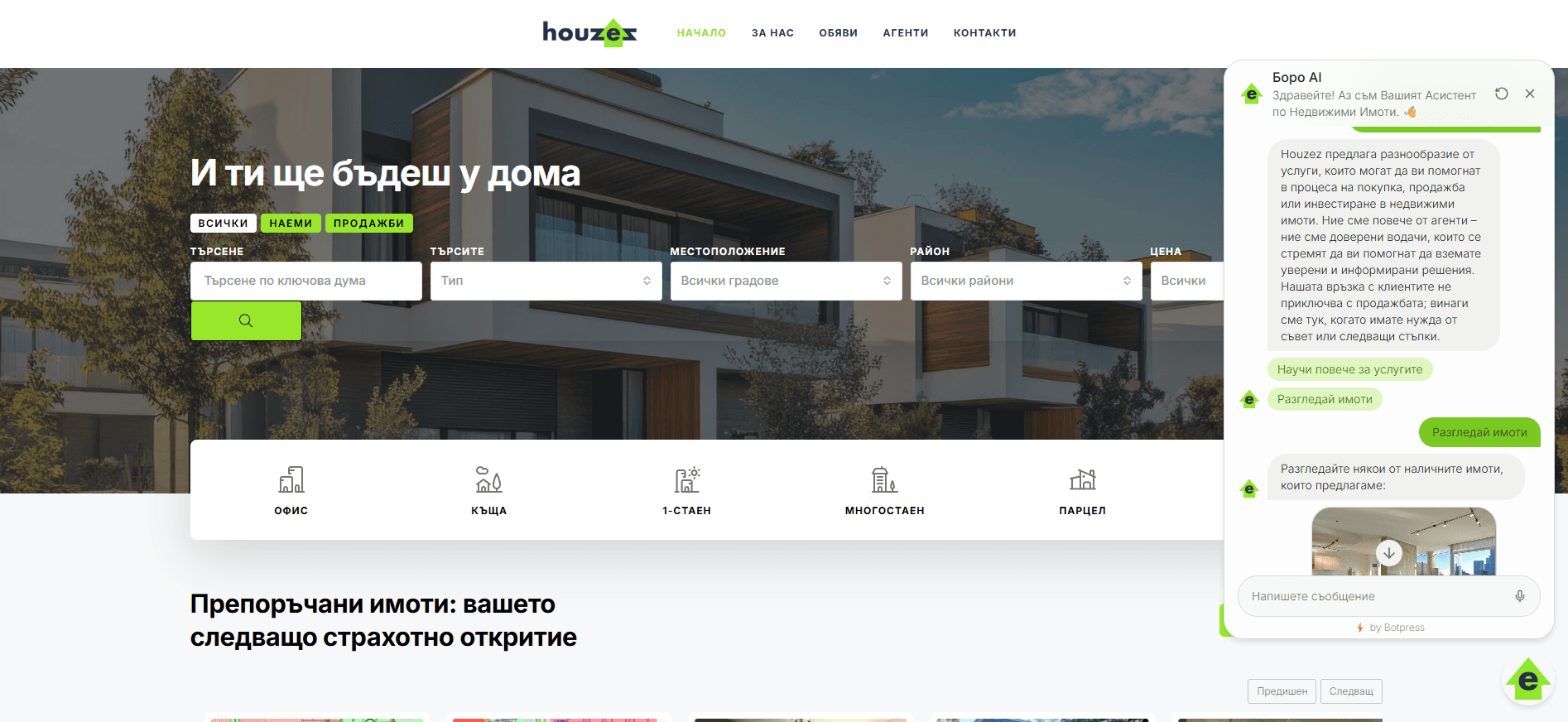
RAG идва от Retrieval Augmented Generation. Вместо да разчита само на това, върху което е обучен езиковият модел, RAG чатботът първо извлича подходящата информация от твоите собствени данни — продуктова документация, чести въпроси, стари запитвания — и чак тогава генерира отговор. Така ботът отговаря с твоето конкретно знание, а не с общи AI предположения.
По какво се различава от обикновения чатбот?
Обикновените чатботове следват дървета от отговори или търсят ключови думи. RAG чатботът използва голям езиков модел (например Claude), който разбира естествен език, и стъпва отговорите си върху реалните ти данни през векторна база като Pinecone. Резултатът е бот, който отговаря на въпроси, каквито никой не му е програмирал изрично — защото чете и обобщава документацията ти в момента.
С какви данни работи един RAG чатбот?
С всякакъв структуриран или полуструктуриран текст: продуктова документация, страници с чести въпроси, история на запитванията, вътрешни бази знания, PDF наръчници, съдържание от сайта. Поемаме внасянето, разделянето, векторизирането и индексирането. Не се налага да преформатираш съществуващото си съдържание.
Направи чатбот, който сам се подобрява.
Кажи ни какво питат клиентите ти най-често. Ще ти отговорим до три работни дни с писмено предложение и план за двуседмичен прототип.
Започни проект →